One of the most meaningful shifts in my career has been moving from reactive storytelling — breaking news, live coverage, fast pivots — to intentional, long-range editorial planning around institutional moments.
In higher education communications, events aren’t just events. They are expressions of values, culture and mission. How they are planned, covered and remembered matters.
Planning Begins Long Before the Event
My approach to covering major campus events starts months in advance. That means:
- Identifying the editorial purpose of the event
- Understanding who the primary and secondary audiences are
- Determining how different platforms serve different storytelling needs
- Aligning stakeholders around a shared narrative vision
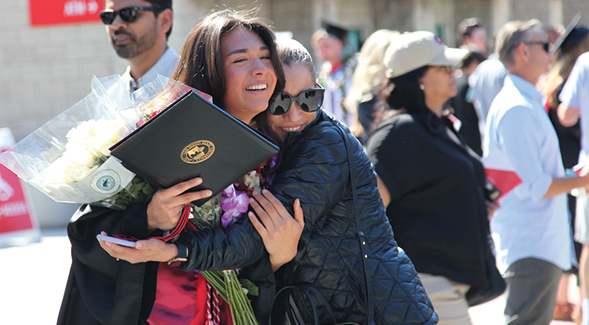
At San Diego State University, this approach became especially important for large-scale, high-visibility moments like commencement ceremonies — events that are logistically complex, emotionally charged, and deeply personal for students and families.
Rather than treating commencement as a one-day obligation, we approached it as a storytelling season.
Commencement as Narrative, Not Just Coverage
For commencement, our editorial strategy focused on:
- Elevating student voices and lived experiences
- Reflecting the diversity of the SDSU community
- Creating coverage that felt celebratory but grounded
- Producing content that served both immediate audiences and long-term institutional storytelling
That meant coordinating closely with campus partners, photographers, videographers, writers and digital teams to ensure consistency, clarity and quality across platforms. It also meant making thoughtful decisions about what not to cover — protecting dignity, privacy and tone in moments that mattered deeply to families.
We balanced real-time reporting with features, profiles and post-event reflections designed to extend the life of the story well beyond the ceremony itself.
Recognition as a Byproduct of Strategy
In my third year at SDSU, this approach culminated in our commencement coverage earning the university a CASE Circle of Excellence Silver Award for Writing | News/Feature (Series or Collection).
The recognition wasn’t about a single article or moment. It reflected:
- Strategic planning
- Editorial consistency
- Collaborative execution
- A shared commitment to telling stories that honored both individuals and institution
Awards are never the goal — but they are often a signal that process, values and execution are aligned.
What I Carried Forward from the Newsroom
My newsroom background shaped this work in important ways:
- Respect for deadlines and production discipline
- Clear editorial standards
- Strong news judgment
- The ability to anticipate challenges before they surface
What changed was scale and intention. Campus events require thinking beyond immediacy toward legacy — how stories will live on for students, alumni and the broader community.
Why Event Coverage Is Leadership Work
Covering major institutional events isn’t just about content creation. It’s about leadership:
- Setting tone
- Managing risk
- Supporting teams under pressure
- Making ethical, audience-centered decisions in real time
When done well, event storytelling reinforces trust and strengthens institutional voice. That’s the standard I aim for — whether covering a Final Four championship, a commencement ceremony or guiding a broader editorial strategy.
 Mario Sevilla