The Most Valuable Thing to Build Into Production Timelines: Room for Things to Go Wrong
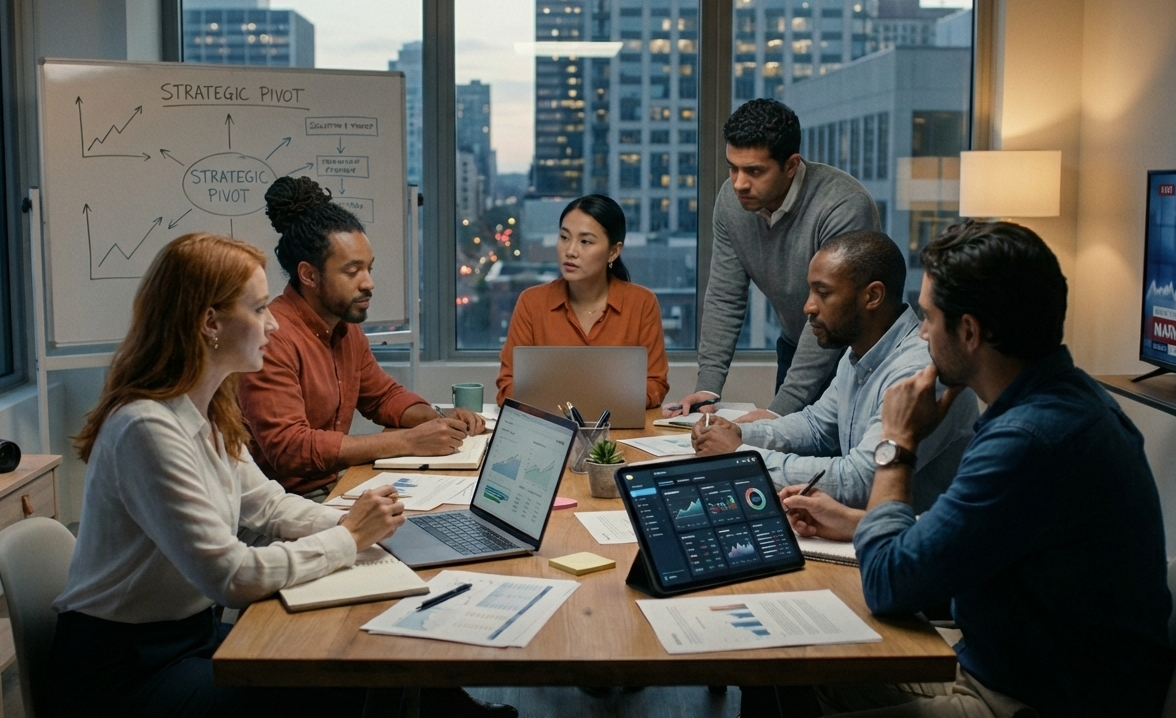
When our ABC 10News digital team launched San Diego County’s first interactive COVID-19 dashboard, we didn’t know exactly what we were building into. The data was volatile. The platforms were new. Public health reporting standards were shifting in real time.
We could have built a timeline that assumed everything would go smoothly. Instead, we built one that assumed it wouldn’t.
We scheduled time for data feeds to change. We built in room for tools to challenge the team, for a first version to need a second, for people to learn while building under pressure. When problems emerged — and they did — there was space to respond without derailing the project.
The dashboard launched on time and became one of the region’s most-used resources during the pandemic. Not because everything went perfectly. Because our timeline had room for reality.
The Myth of the Perfect Timeline
Many timelines are built around best-case scenarios: no technical issues, no revisions, no surprises, full team availability.
That’s not planning. That’s wishful thinking.
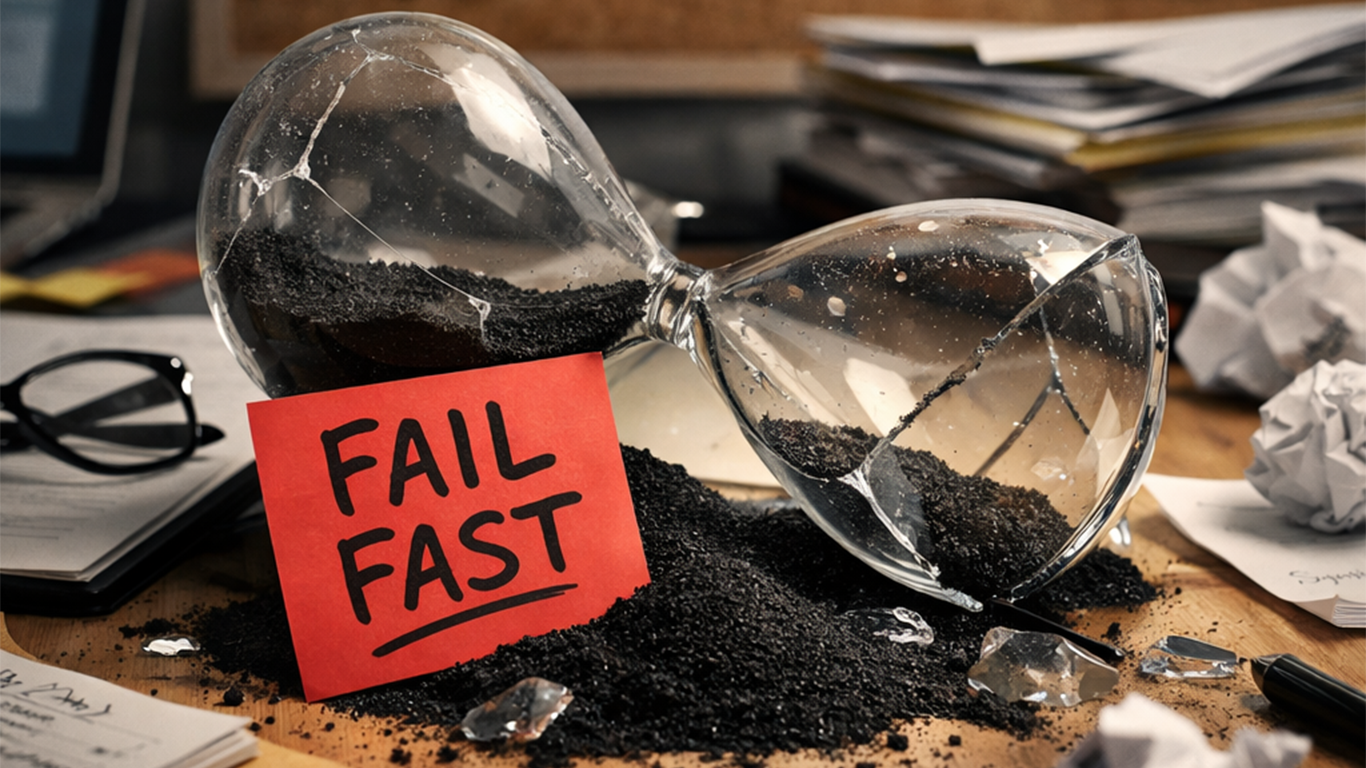
That experience crystallized a principle I’d been learning for years, first from a San Jose Mercury News mentor early in my career who pushed me to move on from setbacks rather than dwell in them, and later from a boss at ABC 10News who put it more operationally: “Learn to fail fast.” Don’t just recover from failure — build a system that finds it early and keeps moving.
Those lessons stuck. In complex work, failure is inevitable. The goal isn’t to prevent it — it’s to notice it early, learn from it and adapt.
Resilient timelines create space for both.
Real projects involve complexity — across people, systems, approvals and platforms. Without margin for error, even small issues can turn into crises. Leaders end up micromanaging. Teams work unsustainable hours. Projects that should have been wins become stress tests.
The fix isn’t working faster. It’s planning more honestly.
What Resilient Timelines Actually Include
Buffer zones aren’t padding — they’re decisions about where complexity is most likely to emerge. For most editorial and production projects, that means accounting for four things:
Technical friction. Platforms, CMS tools, video systems and data feeds will challenge even experienced teams. Schedule around likely friction points, not an idealized flow.
Stakeholder revisions. Executive review, legal approval or cross-department collaboration takes time. Build it in, or risk rushed changes and errors at the end.
Creative iteration. The first version is rarely the best version. Timelines that leave no room to improve limit quality.
Realistic team capacity. People get sick, take time off or juggle competing priorities. Timelines assuming 100% availability are aspirational — not disciplined.
These aren’t contingencies for worst-case scenarios. They’re acknowledgments of how projects actually unfold.
Sustainable Production vs. Heroic Burnout
This is what separates sustainable workflows from heroic, unsustainable ones.
When I led coverage of major institutional moments at SDSU NewsCenter — commencement, research milestones, award cycles — timelines included scheduled review periods, revision windows and contingency plans. It wasn’t about moving slowly. It was about building in enough structure that the team could do their best work.
When SDSU received the 2025 CASE Circle of Excellence Silver Award, it wasn’t because teams worked faster than others. It was because the workflows were resilient, iterative and human-centered — producing high-quality work while preventing burnout.
These practices weren’t abstract policies. They reflected a philosophy I learned over years in newsrooms: failure is inevitable, resilience is a choice.
When a feature arrived late or a multimedia story required last-minute adjustments, our team adapted. Feedback that changed direction was incorporated quickly, and we moved on. More time could have allowed refinements — follow-ups, edits or additional visuals — but letting go didn’t mean compromising accuracy. It meant delivering work that was accurate and fair, even if not perfect. Spotting the difference between perfection and meaningful gaps in storytelling is something learned over time.
Editorial work runs on judgment and momentum. Protecting both keeps the workflow sustainable.
Planning for Reality Is Not a Lack of Ambition
Resilient timelines channel urgency productively. They give teams space to solve problems thoughtfully instead of reacting. They reduce the likelihood that small issues cascade into major failures. And they signal that leadership understands how work actually happens — which builds the kind of trust that makes teams willing to surface problems early, when they can still be fixed.
Too often, timelines are treated as aspirational goals rather than operational plans. That isn’t professionalism. It’s poor planning.
The best project managers I’ve worked with and learned from don’t brag about impossible timelines. They deliver — consistently, sustainably — because their plans account for reality from the start.
Building failure into your workflow isn’t pessimism. It’s discipline. And it’s what makes ambitious work last.
What’s a principle you’ve built into your own workflows that others might call overly cautious — but you’d call essential?
Key Takeaway: Resilient timelines include buffer zones for technical issues, stakeholder feedback and creative iteration. Planning for complexity isn’t pessimism — it’s operational realism that protects both quality and team sustainability.